













My sophomore year at Union College, things started coming loose. I think the rage did that. Having once noticed something in myself I could not explain, it seemed to make room to notice other things.
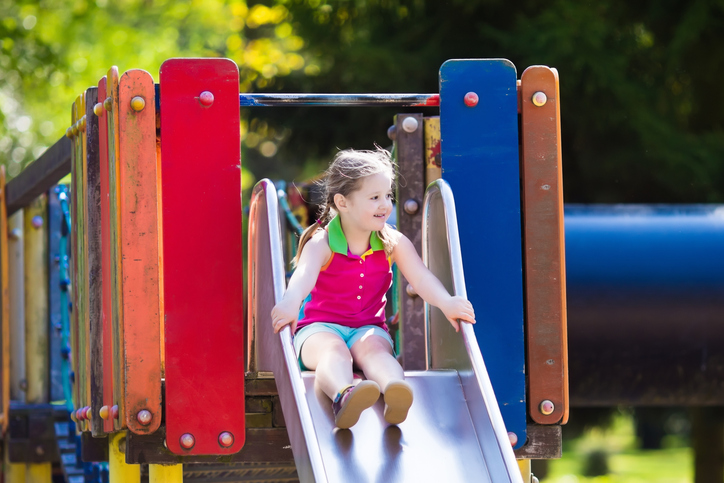
A playground
I was standing with a friend who was supervising small children on a playground. I was not thinking about my brother. I was thinking about nothing in particular, looking at three- and four-year-olds doing what three- and four-year-olds do.
Suddenly it just hit me all at once: there is no possible way one of those children could cause the disability my brother had. Not by thinking it. Not by wishing it. Not by anything they did or failed to do.
I had believed since he was born that I was somehow responsible for my brother’s disability.
Nobody put that idea in my head. It is simply what a three-year-old mind does — at that age children are the center of their own universe, and when something enormous happens they conclude they caused it.
A core belief
There is a term for this in the mental health field this type of belief. We call it a core belief.
Core beliefs are the conclusions we reach about ourselves so early that we never recognize them as conclusions. They form before we have the words to say them out loud, and then they sit underneath everything else. You do not examine a core belief the way you examine an opinion, because it does not feel like something you think. It feels like something that is simply true — the floor you are standing on, not a piece of furniture you could move.
Core beliefs can be helpful such as I am loved or I am capable. A great core belief I mentioned in Part 4 was God does not do this to people. However, they can also be negative and push a person unconsciously to do things in ways they do not need to.
In this case, my core belief was I am responsible for what happened to my brother.
I never said that sentence to myself or out loud. I would have denied it if anyone had asked me. I ran my entire childhood on it.
Which is why finding out it was false did not feel like changing my mind. It felt like the ground moving under my feet.
The other half of the same thought
Something else arrived in the same breath, and it took the wind out of me.
Until that moment I had not known I was trying to FIX him.
The rope, the training wheels, the card racks, the crawling lessons on the living room floor — and I had never once understood what I was doing. I thought I was helping. I thought I was being a good sister.
Standing at the edge of that playground I saw the whole shape of it at once. I had been trying to heal my brother. I had been trying, since I was three years old, to undo the thing I believed I had done.
I had not caused it. I could not fix it.
It was never mine to fix. Both of those were true the entire time, and nobody had any idea that was the project — least of all me.
The truth will set you free
And you shall know the truth, and the truth shall make you free. John 8:32
That is what happened on the edge of that playground. No one preached at me. No one corrected me. I simply and suddenly knew the truth.
What I concluded at three was no sin to repent of. It was a small person’s conclusion, drawn with a small person’s mind, in a house where something terrible had happened. It was just wrong — and being wrong about yourself for seventeen years costs you something, even when nobody can see the bill.
If you are carrying a verdict you handed down on yourself before you were old enough to know better, take it out and look at it in the light. The truth is what sets people free, and some of the truth you need is about you.
Lord, thank You for the afternoons when something comes loose. For everyone still carrying a sentence they passed on themselves at young age— bring it into the light, and tell them the truth about it. Amen.
Next time: the words I finally found.
Click HERE to see the first in this series.
